
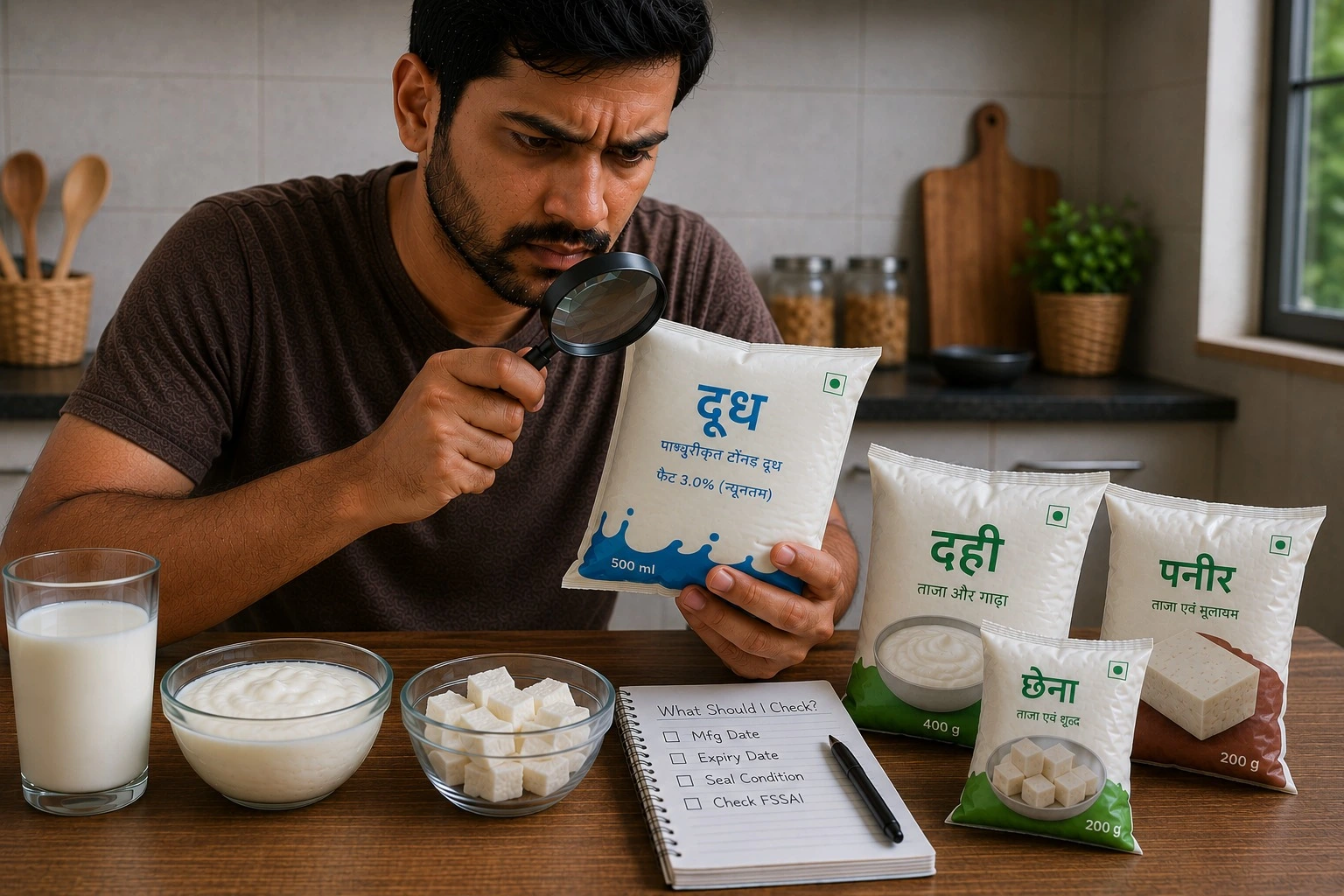
Dairy products are part of everyday life. People consume milk, ghee, paneer, butter, curd, and dairy sweets regularly. These products provide essential nutrients and contribute to a balanced diet. Because dairy products are consumed so frequently, consumers naturally expect them to be pure, safe, and authentic.
However, growing demand and complex supply chains have increased concerns about Dairy Product Adulteration. Consumers are becoming more conscious of product quality and want greater transparency regarding what they purchase and consume.
Understanding Dairy Product Adulteration helps consumers make informed decisions and recognize the importance of choosing quality dairy products from trusted sources.
Why Product Purity Matters in the Dairy Industry
The quality of a dairy product begins with its ingredients and continues through every stage of production. Pure dairy products deliver the nutritional value, taste, and consistency that consumers expect.
When the natural composition of a dairy product changes, its overall quality may also change. This is why manufacturers place significant emphasis on quality control, testing, and product integrity.
Freshness also plays an important role in preserving dairy quality. In fact, many consumers notice that food tastes better with fresh dairy products, as freshness directly influences flavor, texture, and overall eating experience.
As consumer awareness grows, the focus on purity and authenticity continues to shape the dairy industry.
Understanding Dairy Product Adulteration
Dairy Product Adulteration occurs when a dairy product is intentionally altered by adding unwanted substances or removing valuable natural components. These changes may affect the product’s original quality, composition, and nutritional value.
Adulteration can occur at different stages, including sourcing, processing, transportation, storage, or distribution. While regulatory authorities continue to strengthen food safety standards, consumer awareness remains equally important.
Consumers can also stay informed through food safety resources published by the Food Safety and Standards Authority of India (FSSAI), which provides guidance on food quality, safety regulations, and consumer awareness initiatives.
The more consumers understand Dairy Product Adulteration, the better equipped they are to identify quality products and make confident purchasing decisions.
Common Forms of Dairy Product Adulteration
Different dairy products may experience different types of adulteration. Some of the most common examples include:
Water Dilution in Milk
Adding water to milk increases volume but reduces its nutritional value. Consumers may not receive the natural concentration of nutrients they expect.
Removal of Milk Fat
Milk fat contributes to both nutrition and flavor. Removing cream or fat changes the product’s original composition and overall quality.
Addition of Starch
Some products may contain starch to alter texture or consistency. This can create a misleading impression of product quality.
Artificial Ingredients
Certain substances may be used to imitate the characteristics of genuine dairy products. These ingredients often fail to provide the same nutritional benefits as authentic dairy ingredients.
Unauthorized Colors and Flavors
Artificial additives may sometimes be used to enhance appearance or taste, making products appear more appealing than they naturally are.
Understanding these practices helps consumers evaluate dairy products more carefully.
How Dairy Product Adulteration Impacts Consumers
The effects of Dairy Product Adulteration extend beyond product quality. They can influence nutrition, consumer trust, and confidence in the dairy industry.
Reduced Nutritional Value
Consumers purchase dairy products because they expect specific nutritional benefits. Adulteration may lower the levels of naturally occurring nutrients found in authentic dairy products.
For individuals who include dairy as part of a healthy lifestyle, product quality becomes even more important. Authentic dairy products provide essential nutrients such as protein, calcium, and healthy fats that support overall wellness. Choosing quality dairy products helps consumers receive the nutritional value they expect from their daily diet.
Loss of Consumer Confidence
Trust plays a major role in food purchasing decisions. When consumers question product authenticity, confidence in brands and products may decline.
Inconsistent Product Experience
Authentic dairy products offer consistent taste, aroma, and texture. Adulteration can affect these characteristics and lead to an inconsistent consumer experience.
These challenges highlight the importance of strong quality assurance systems throughout the dairy supply chain.
Signs Consumers Should Look For
Laboratory testing remains the most reliable method for identifying adulteration. However, consumers can still pay attention to several indicators when purchasing dairy products.
Read Product Labels Carefully
Labels provide valuable information about ingredients, nutritional content, and manufacturing details. Reviewing this information helps consumers make informed decisions.
Check Packaging Quality
Packaging serves as an important protective barrier. Damaged or poorly sealed packaging may indicate potential quality concerns.
Proper packaging also helps maintain freshness during transportation and delivery. This becomes especially important as more consumers purchase dairy products online. Maintaining product quality and shelf life in online orders requires careful handling throughout the delivery process.
Observe Appearance and Texture
Unexpected changes in color, consistency, or texture may suggest that further evaluation is necessary.
Notice Taste and Aroma
Authentic dairy products generally maintain a natural and consistent flavor profile. Unusual smells or tastes should not be ignored.
Purchase from Reputable Sources
Buying from established manufacturers often provides greater confidence in quality standards and product authenticity.
How Modern Dairy Manufacturers Help Prevent Adulteration
The dairy industry continuously invests in technology, testing, and quality assurance systems to maintain product integrity.
Quality control processes commonly include:
- Raw milk testing
- Ingredient verification
- Laboratory analysis
- Production monitoring
- Packaging inspections
- Final product evaluation
These measures help maintain consistency and reduce the risk of Dairy Product Adulteration.
Manufacturers also focus on preventing contamination throughout the production process. Robust quality systems, strict hygiene standards, and continuous monitoring all contribute to safer dairy products. These efforts align closely with industry practices focused on fighting dairy product contamination and maintaining consumer trust.
Why Precision Matters in Dairy Manufacturing
Consumers often focus on the final product, but precision behind the scenes plays an equally important role.
Every stage of dairy production requires careful monitoring. Small variations in ingredients, temperature, processing conditions, or storage can affect product quality.
This attention to detail becomes especially important in products such as dairy sweets. The production of traditional milk-based sweets demonstrates why milk sweets require more precision to maintain consistency, taste, and product integrity.
Precision helps manufacturers deliver products that meet both quality expectations and food safety standards.
Consumer Awareness Creates a Stronger Dairy Industry
As consumers become more informed, they contribute to higher standards across the dairy sector.
Awareness encourages manufacturers to prioritize transparency, strengthen quality control systems, and maintain accountability throughout the supply chain. It also motivates consumers to evaluate products beyond price alone and focus on authenticity, reliability, and quality.
The result is a stronger dairy ecosystem that benefits both consumers and responsible manufacturers.
Making Smarter Dairy Choices Every Day
Dairy Product Adulteration remains an important topic because dairy products are a regular part of daily nutrition. Understanding how adulteration occurs, recognizing potential warning signs, and choosing trusted sources can help consumers make more informed purchasing decisions.
Awareness, transparency, and quality assurance work together to support confidence in dairy products. When consumers prioritize authenticity and manufacturers maintain high standards, the entire dairy industry benefits.
If you value purity, consistency, and quality in dairy products, choose manufacturers with a proven commitment to responsible dairy practices. With more than 50 years of dairy manufacturing expertise, Vijay Dairy continues to focus on quality-driven processes that support authentic dairy products and consumer confidence. To learn more about our products and quality commitment, connect with our dairy experts through our contact page.